Digital Education in Bangladesh: Opportunities, Prospects and Smart Classroom Revolution

Dr. Md. Ahsan Ullah
Contributor / Academic Faculty
AI Smart Summary
AIKey takeaways and essential insights in 30 seconds
Comprehensive analysis of digital education in Bangladesh, multimedia classrooms, online resources, and preparing youth for Industry 4.0.
- Consistent practice and structured planning are essential for academic excellence.
- Acquiring real-world problem-solving skills is the core purpose of modern education.
- Integrating technology with intellectual effort helps students achieve global standards.
Introduction: Transition from Digital to Smart Bangladesh
In the rapidly evolving 21st century, the holistic progress of any nation is inextricably linked to technological transformation in education. Having established foundational milestones under Digital Bangladesh, the nation is actively advancing toward 'Smart Bangladesh 2041'. The cornerstone of this vision is modernizing academic infrastructure and equipping students with globally competitive digital competencies.
1. Multimedia Classrooms and Interactive Learning
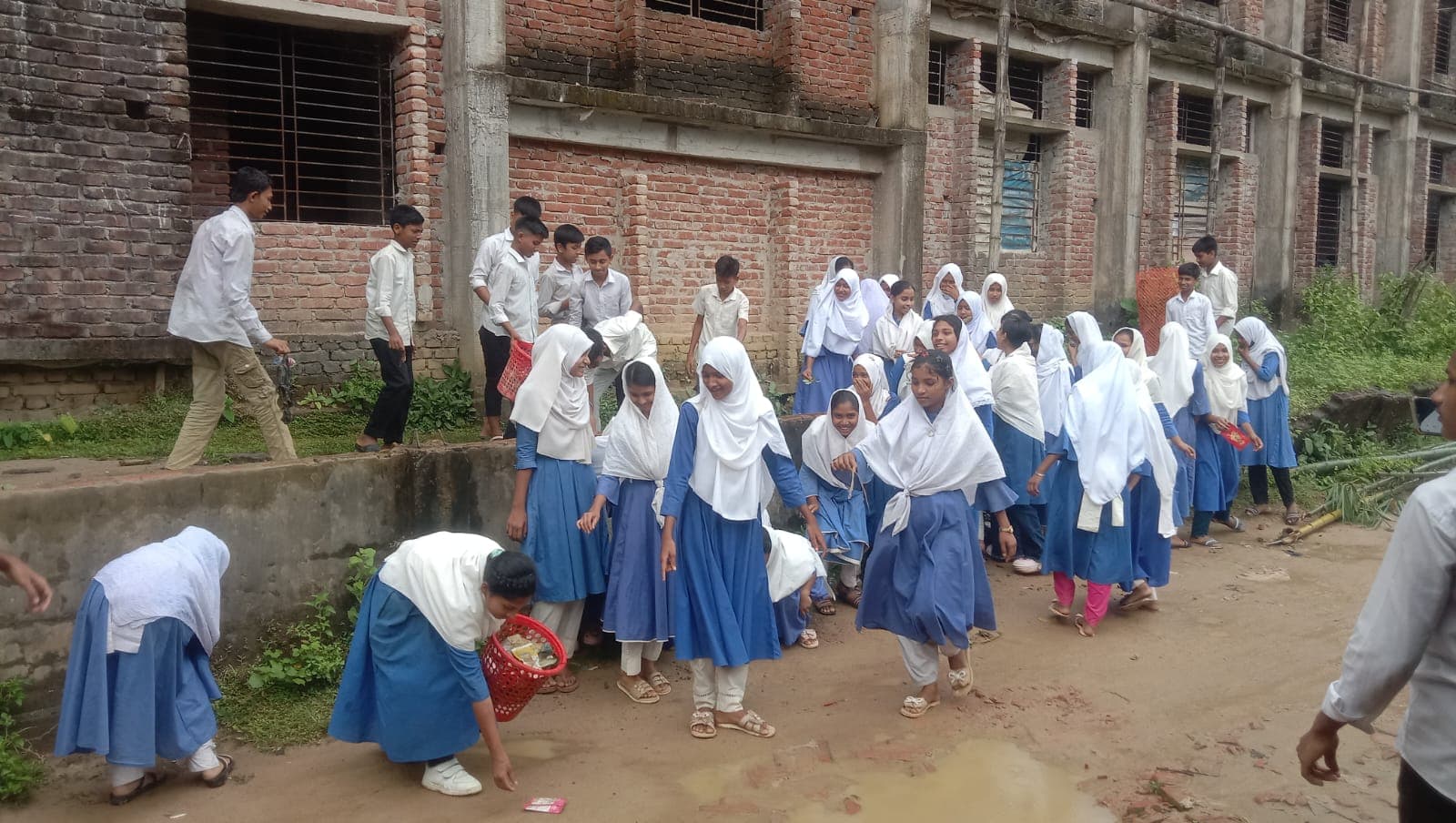
Across schools in Bangladesh—including educational institutions like Saroi High School—traditional blackboards are being complemented by audiovisual multimedia projectors, interactive simulations, and digital courseware. Complex scientific concepts and mathematical formulations that were previously difficult to visualize are now taught with intuitive animations.
2. Online Learning Ecosystems and Open Knowledge Repositories
Widespread mobile internet connectivity has democratized high-quality education nationwide:
- Bridging the Urban-Rural Divide: Students in remote hill districts now access identical high-quality video lessons taught by leading national educators.
- Self-Paced Learning: Learners can rewatch lessons, pause, take digital quizzes, and master challenging concepts at their own comfort.
- Open E-Libraries: Thousands of research materials, NCTB textbooks, and international reference guides are instantly accessible on handheld devices.
3. Integrating Artificial Intelligence (AI) and Robotics in Curricula
The global job market is shifting toward automation, Artificial Intelligence, Machine Learning, and Robotics. Introducing foundational coding, computational thinking, and STEM projects in middle and secondary schools ensures Bangladeshi students will be creators of technology rather than mere consumers.
4. Overcoming Existing Challenges
To maximize the dividend of digital education, several critical areas require concerted attention:
- Universal Broadband Access: Enhancing high-speed fiber internet in remote rural and hilly regions.
- Affordable Digital Hardware: Providing subsidized laptops and tablets to underprivileged students.
- Continuous Teacher Training: Organizing regular professional development workshops in modern ICT pedagogy.
Conclusion
Digital education is the defining bridge that transforms our youth into knowledge-driven global leaders. Through positive and ethical technological application, Bangladesh's students are set to make their mark on the international stage.